Reflections on the Recent Appointment of Former Hungarian Foreign Minister Péter Szijjártó by BYD
— Upholding Business Independence and Strengthening Long-Term China-Europe Trust
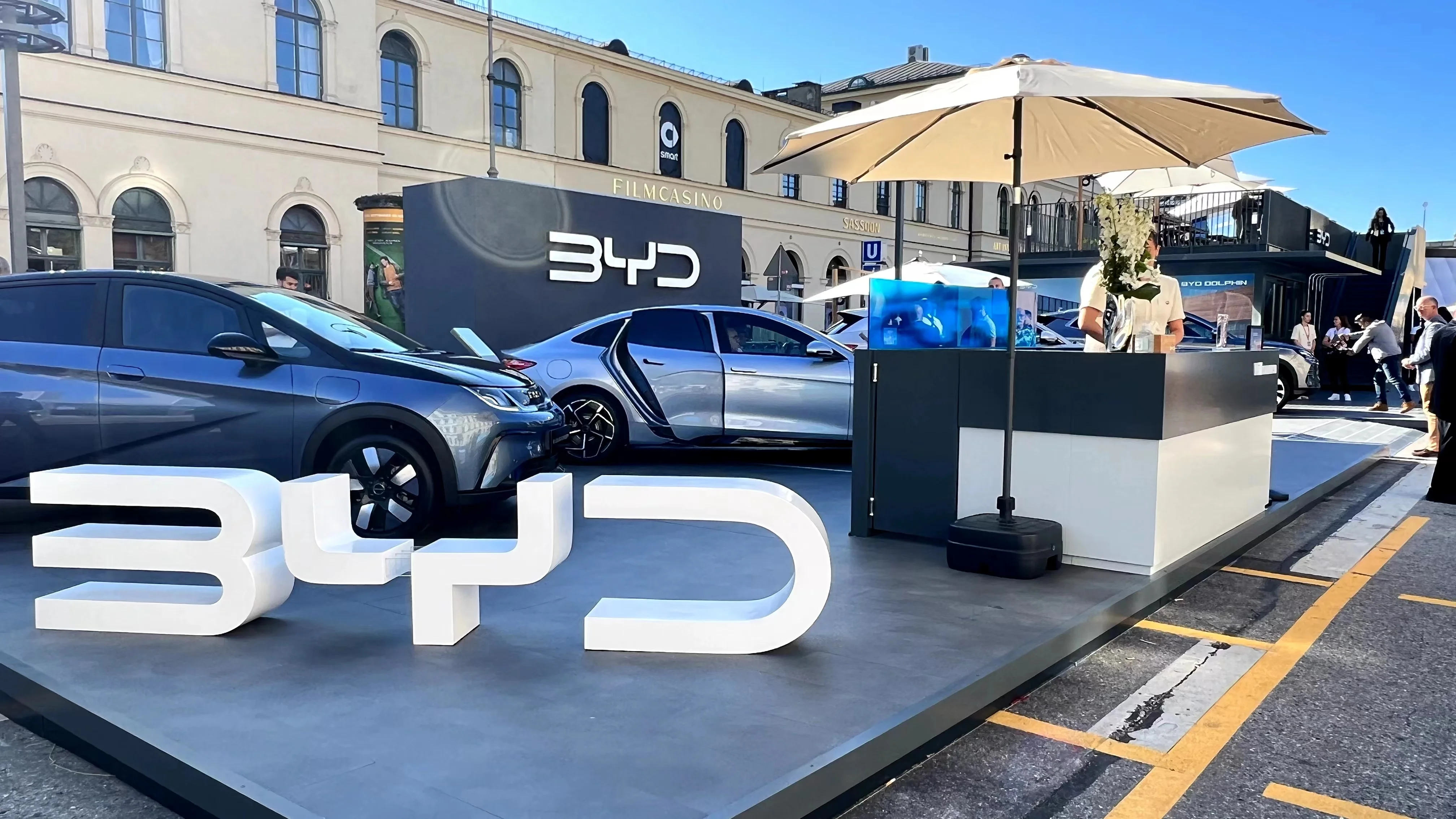
Recently, BYD’s appointment of Mr. Péter Szijjártó, former Hungarian Minister of Foreign Affairs and Trade, to a relevant position within the company has attracted broad attention from European society, the media, and the business community.
As an organization dedicated to promoting China-Europe economic and trade cooperation, we believe it is important to observe and discuss this matter from the perspectives of business principles, global corporate governance, and long-term cooperation.
First and foremost, we respect every individual’s freedom to pursue a new professional path after leaving public office. Provided that all applicable laws, regulations, and relevant procedures are followed, the choice of future career development represents an important aspect of a modern market economy and professional mobility.
At the same time, we also recognize the high level of attention in European society regarding the relationship between public positions and private business interests. Particularly in the context of global industrial transformation and the accelerated internationalization of Chinese enterprises, executive appointments are not only decisions related to talent selection, but also involve corporate reputation, compliance systems, conflict-of-interest management, and public trust.
For any company expanding globally, legal compliance is the foundation, while transparent governance and proactive communication are essential for building long-term confidence among stakeholders.
We believe that political roles belong to the public governance system, while business roles belong to the market competition system.
Politics should remain politics, and business should remain business.
At the same time, in a globalized environment, clear boundaries and effective governance mechanisms must be established between the two.
Companies should communicate openly and transparently regarding relevant responsibilities, decision-making processes, and conflict-of-interest management mechanisms, ensuring that markets, partners, and the public can clearly understand the independence of corporate decisions and their underlying business rationale.

China-Europe economic cooperation has developed over several decades, creating deep industrial connections and extensive business partnerships between enterprises from both regions. Looking ahead, China-Europe commercial cooperation should continue to be built upon:
Transparent business rules;
A market environment based on mutual respect;
Fair and open competition;
Shared goals for sustainable development.
We believe that a truly international company must possess not only global competitiveness, but also the governance capabilities required to adapt to different market cultures, legal frameworks, and social expectations.
For Chinese companies expanding globally, compliance is the passport for internationalization, transparency is the foundation of global trust, and long-term value comes from corporate governance that can withstand scrutiny across different markets and societies.
The future of China-Europe business cooperation requires greater understanding, deeper communication, and more mature and responsible corporate practices.
The China-Europe Business Association will continue to closely follow the development of China-Europe business cooperation and promote higher-quality partnerships based on openness, transparency, mutual trust, and shared success.
相关文章