 中文版
中文版
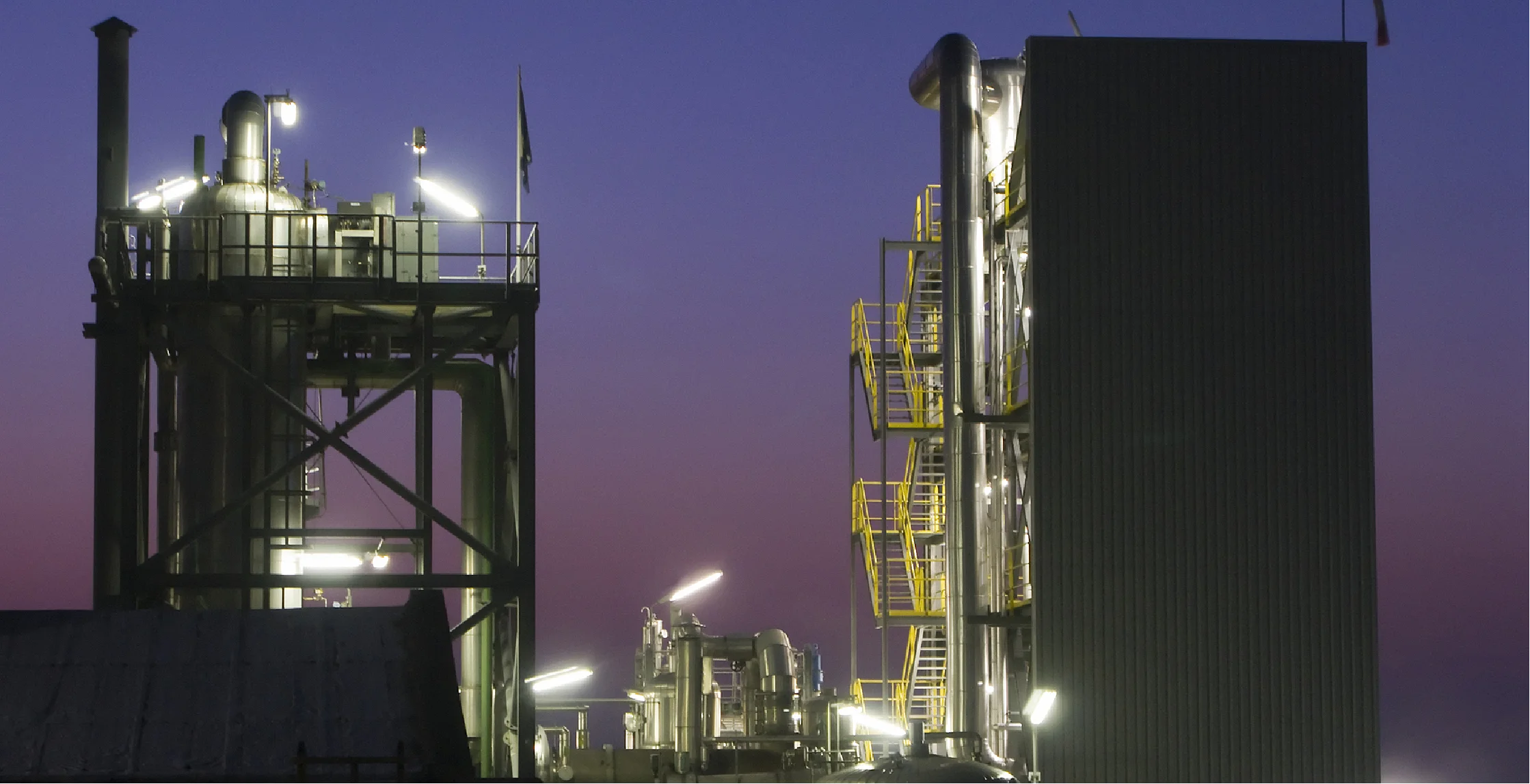
From Dark Factories to Dark Offices: China’s Systematic Manufacturing Edge and the Next Stage of B2B Brand Evolution
Abstract
China’s industrial system is stepping into a new development phase, characterized by highly automated dark factories and gradually emerging AI-powered dark offices. This shift not only delivers further improvements in production efficiency but also drives profound restructuring of the global industrial competition landscape. From a global B2B brand perspective, China has built remarkable strengths in manufacturing capacity and industrial chain density. Yet competition in the next era will shift focus from manufacturing capacity per se to how systematic strengths can be translated into trust and brand recognition across global markets.
1. Introduction: Structural Shift in Industrial Competitiveness
Over the past two decades, China’s manufacturing sector has undergone a profound transformation from labor-intensive production to a highly automated industrial ecosystem. The emergence of dark factories marks the maturation of manufacturing automation, enabling stable production operations with minimal manual intervention. Meanwhile, another structurally significant shift is underway: the rise of dark offices. This signifies that experience-driven management and decision-making frameworks are being supplemented, and even partially replaced, by data and AI-powered organizational systems. Collectively, this evolution signals that corporate competition is no longer limited to optimizing standalone operational efficiency, but has evolved into an all-round contest centered on systematic intelligence.
2. Dark Factories: The Ultimate Embodiment of Manufacturing Efficiency
China’s dark factories are essentially an integration of multiple technological stacks, including highly automated production equipment, AI-driven quality inspection and predictive maintenance systems, full-process production management platforms built on MES and ERP, and ultra-fast engineering conversion from R&D to mass production. Combined, these capabilities equip China’s manufacturing ecosystem with ultra-low marginal production costs, consistent product quality, rapid iteration cycles and deeply integrated supply chain networks. Globally, China’s manufacturing sector is evolving from the traditional “world factory” into a global production operating system with systematic operational capabilities. Nevertheless, a clear conversion gap persists in the global B2B market: manufacturing advantages have not been fully translated into recognized brand equity and trust.
3. Dark Offices: Systematic Upgrade of Organizational Intelligence
Corresponding to dark factories, dark offices represent a structural upgrade of corporate cognition and decision-making frameworks. At their core, artificial intelligence is deeply embedded in business decisions, covering sales forecasting, customer segmentation, dynamic pricing, supply chain collaboration and automated generation of market growth models. In this transition, corporate management is shifting from experience-based judgment to data and algorithm-driven systematic decision-making. For B2B businesses, this means competition no longer hinges primarily on personal expertise, channel connections or fragmented execution capabilities, but increasingly on the overall intelligence and continuous learning capacity of the entire organization.
4. China’s Core Edge: The Formation of Dense Industrial Systems
China’s core competitive advantage in global markets has undergone structural changes. Its strength no longer lies merely in isolated technological breakthroughs or the scale of individual enterprises, but in holistic strengths rooted in dense industrial systems. Such strengths are reflected in the world’s most complete industrial chains, robust engineering and mass production capabilities, continuously improved cross-industry collaboration efficiency, and rapid integration of artificial intelligence into manufacturing workflows. Under this framework, China is gradually transforming from a pure manufacturing hub into an architectural center for global industrial systems, shifting its output focus from production capacity to systematic capabilities.
5. The B2B Brand Gap: Disconnect Between Capabilities and Communicability
Despite Chinese firms’ world-leading manufacturing capacity and systematic efficiency, a prominent structural gap remains in international B2B markets, manifested in three key dimensions. First, an asymmetric relationship between operational strengths and brand value: formidable manufacturing prowess does not naturally translate into strong brand awareness and trust. Second, misalignment between internal corporate KPIs and client decision-making logic. Chinese enterprises typically prioritize cost, efficiency and output, while global buyers attach greater weight to risk control, operational stability and long-term partnership value. Third, a disconnect between latent systematic strengths and external communication. Many Chinese companies possess hidden systemic advantages yet lack frameworks that global markets can clearly comprehend and verify.
6. Next Stage of Competition: From Industrial Systems to Trust Systems
As both manufacturing and administrative operations achieve high levels of automation, the focal point of global B2B competition continues to shift upward. Clients’ decision-making frameworks are evolving beyond price and performance benchmarks toward comprehensive evaluation of delivery predictability, verifiable product quality and sustainable long-term cooperation. Against this backdrop, the essence of B2B branding is being redefined. It is no longer merely a marketing and communication tool, but a structural trust mechanism built upon robust industrial systems. In other words, brand value is shifting from perceptual influence to systematic credibility.
7. China’s Advanced Industrial Ecosystem Enters a New Globalization Phase
Overall, China’s industrial system has reached a critical structural turning point. Systematic capability upgrades represented by dark factories and dark offices are laying the foundation for one of the world’s most advanced industrial ecosystems. However, the next key challenge is not to further boost automation levels, but to convert such system-level manufacturing strengths into comprehensible, verifiable and sustainable B2B brand systems for global markets. This conversion will determine the long-term standing of Chinese enterprises in global industrial competition over the next decade.
相关文章

